
- March 13, 2026
- No Comments
Understanding Prediabetes: A Warning Sign You Can Act On
Prediabetes occurs when blood glucose levels are higher than normal but not yet high enough to meet the criteria for type 2 diabetes. Because symptoms are often absent, many people are unaware they have it. However, identifying prediabetes early creates an opportunity to prevent or delay the development of diabetes through lifestyle changes and medical guidance.
What Is Prediabetes?
Prediabetes reflects impaired glucose regulation. This means the body is beginning to struggle with insulin sensitivity or insulin production. Over time, these changes can progress into type 2 diabetes if not addressed.
Common diagnostic markers include:
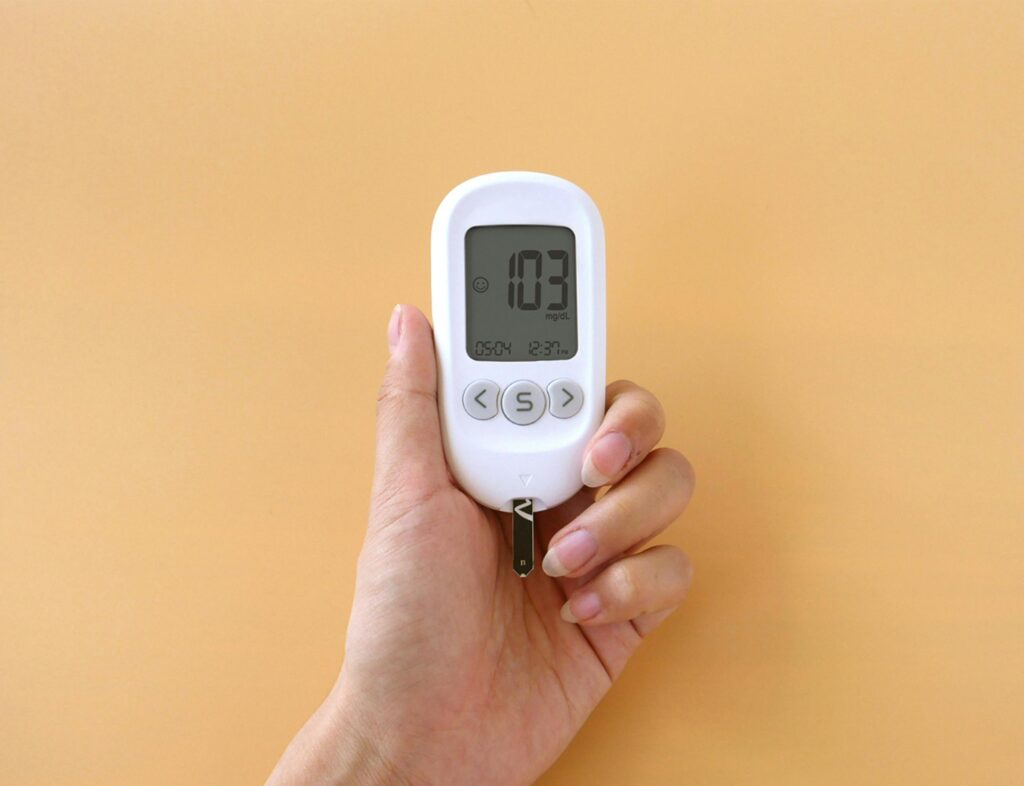
- Fasting blood glucose between 100–125 mg/dL
- Hemoglobin A1C between 5.7% and 6.4%
- Elevated glucose levels on oral glucose tolerance testing
Routine screening helps identify these early changes before complications develop.
Risk Factors to Be Aware Of
Several factors increase the likelihood of developing prediabetes, including:
- Being overweight or obese
- Family history of type 2 diabetes
- Sedentary lifestyle
- Age over 45
- History of gestational diabetes
- High blood pressure or abnormal cholesterol levels
Individuals with multiple risk factors should discuss screening with their healthcare provider.
Why Early Detection Matters
Prediabetes increases the risk of developing type 2 diabetes, heart disease, and stroke. However, research shows that early intervention can significantly reduce progression.
Lifestyle changes targeting weight management, nutrition, and physical activity can improve insulin sensitivity and stabilize blood sugar levels.
Lifestyle Changes That Can Help
Small, consistent adjustments can make a meaningful difference.
- Physical activity: Aim for at least 150 minutes of moderate activity each week, such as brisk walking or cycling.
- Balanced nutrition: Emphasize whole foods including vegetables, fruits, lean proteins, whole grains, and healthy fats while limiting highly processed carbohydrates.
- Weight management: Even modest weight loss (5–7% of body weight) has been shown to improve glucose regulation.
- Routine monitoring: Periodic blood glucose testing allows healthcare providers to track improvement and guide prevention strategies.
The Bottom Line
Prediabetes is a warning sign, but it is also an opportunity. With early detection and consistent lifestyle habits, many individuals can reduce their risk of developing type 2 diabetes and improve long-term health.
References
Centers for Disease Control and Prevention. Prediabetes: Your Chance to Prevent Type 2 Diabetes. Updated 2024.
National Institute of Diabetes and Digestive and Kidney Diseases (NIDDK). Prediabetes and Insulin Resistance. U.S. Department of Health and Human Services. Updated 2023.
Knowler WC, et al. Reduction in the incidence of type 2 diabetes with lifestyle intervention. New England Journal of Medicine. 2002;346(6):393–403.
This content is for informational purposes only and does not replace medical advice. Consult your healthcare provider for individualized care.